

The KVINT story
From distillation warehouse No. 9 on the edge of Tiraspol — to the cellars where distillates now age for up to sixty years.
- Founded
- 1897
- Years of craft
- 129
- Distillate ageing
- 3–60
- Vineyards
- 2,000 ha
1897
The plant is founded in Tiraspol. Distillation warehouse No. 9 produced and bottled spirits.

1918
The plant burns down during the Civil War. The first of two destructions after which production had to start again from nothing.

1920 — 1930
Rebuilding began in 1925. Dessert wines, sparkling wine and brandy went into production; a cognac still was installed in 1935; by 1937 the plant led the republic's winemaking industry.


1940 — 1950
In 1944 bombing destroyed almost the entire plant. Rebuilding started the moment the city was liberated; in 1949 the company was renamed the Tiraspol Wine and Cognac Plant — a new chapter for DIVIN.


1950 — 1970
Growth, reconstruction and automation. By 1959 KVINT was making 95% of Moldova's DIVIN. The first vintage DIVINs are born.


Legendary blends
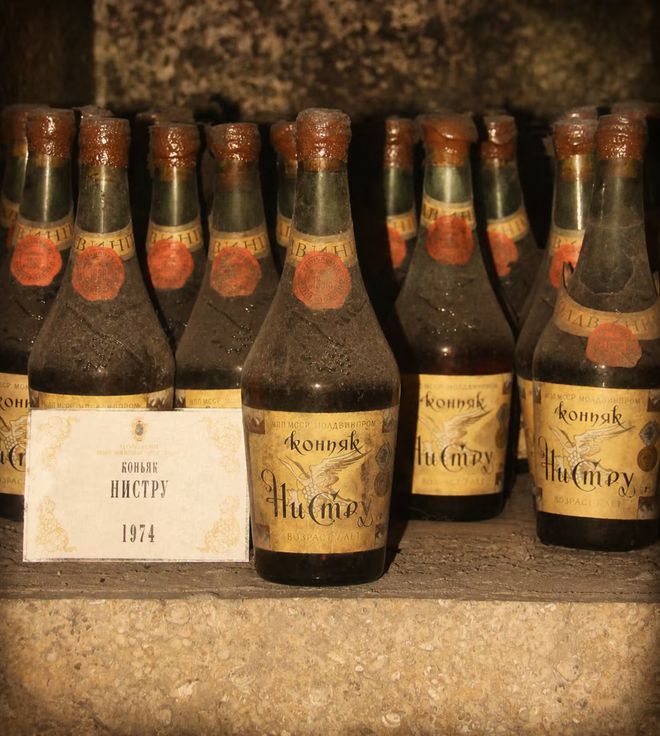
Nistru
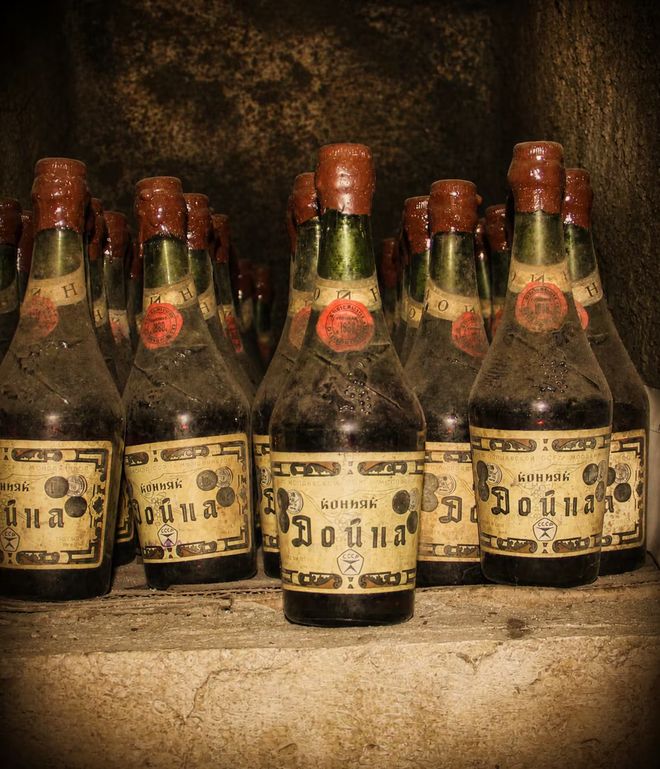
Doina
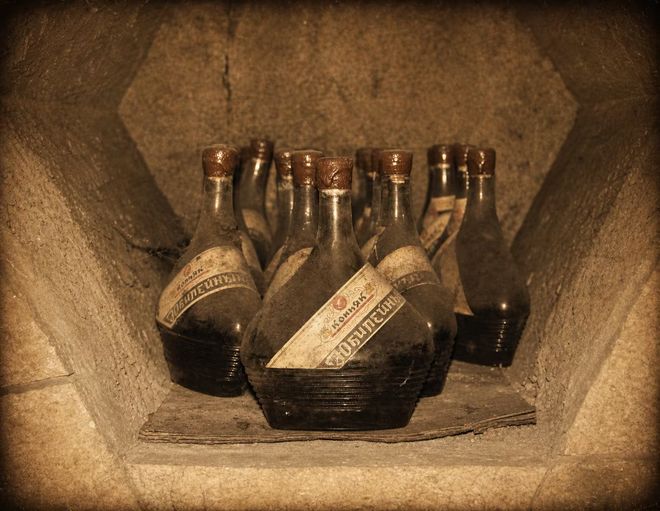
Yubileiny
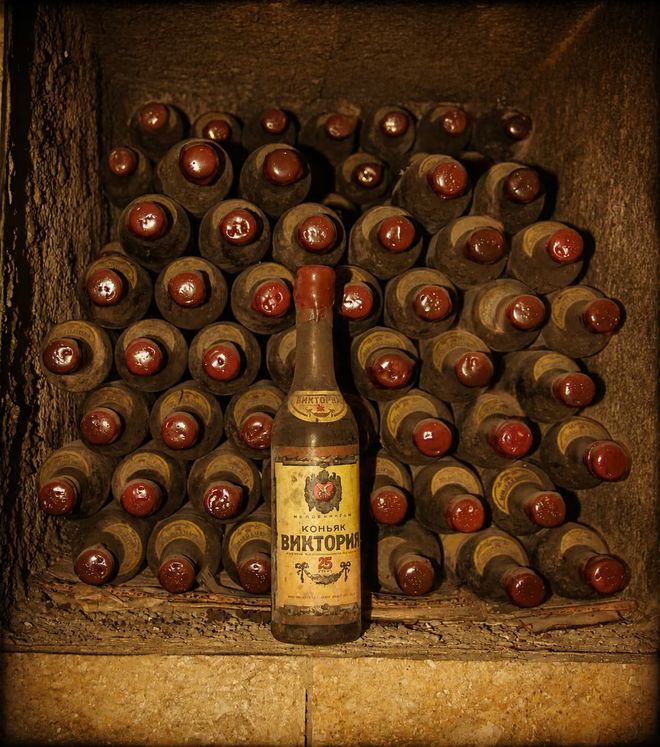
Victoria


1980 — 1990
An industry downturn, deepened by the 1985 anti-alcohol decree. These are the years Oleg Baev took charge, having started at the plant at eighteen — a figure of the brand's resilience and continuity.


1990 — 2005
The "green revolution": vineyards replanted, growers' cooperatives supported, variety trial plots laid out. KVINT led the revival of Transnistrian winemaking.
In 1993 the Parliament of Moldova recognised DIVIN — aged wine distillate — as a spirits category in its own right.


2006 — 2024
After privatisation KVINT joined the Sheriff group and carried on modernising, settling into its premium position. Over 2,000 ha of vineyards, more than 30 varieties, new facilities at Doibani and Yantarnoye.
The KVINT cellars hold more than 25,000 oak casks and over 10 million litres of pure alcohol in distillates aged from 3 to 60 years.


2025 — today — today
For its 128th year the company rebranded, keeping its authenticity and continuity while giving the brand a contemporary voice that reads across generations.
The KVINT plant in Tiraspol is a full-cycle producer: from growing the grapes to sealing the bottle, every step happens on its own grounds. That is what the infinity mark and the words SINGLE ESTATE in the logo stand for. The same symbol encodes the landscape of our region — the Dniester, on whose hilly banks the plant's vineyards lie. The emblem's vertical elements stand for grape berries and oak casks, and the whole can be read both as a vine flower and as a metaphor for the full production cycle.

- 129
- years of unbroken history
- 25,000
- oak casks in the cellars
- 2,000 ha
- of vineyards, over 30 varieties
- 3–60
- years of ageing across the range
Visit KVINT
Tours and tastings
Tiraspol and Doibani — three ways to get to know KVINT.


